“Shadows aren’t ‚nothingness’…” - Photographer Yasuhiro Ogawa in conversation with Thomas Berlin
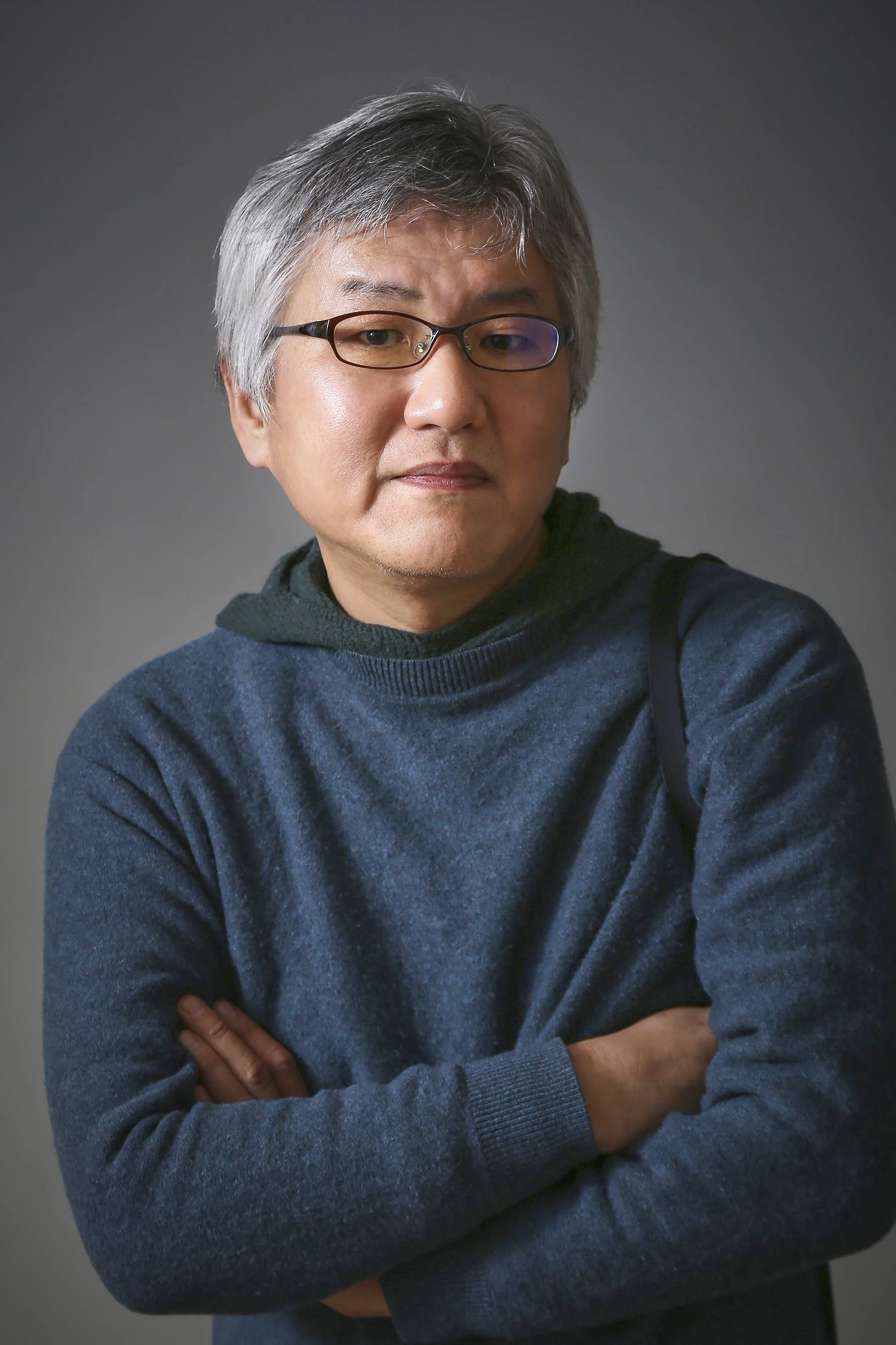
The Japanese photographer Yasuhiro Ogawa speaks with Thomas Berlin about photography as an approach to an imaginary land, about intuitive seeing, walking as a form of perception, and the particular power of shadow, silence, and ambiguity. A conversation about images that resist any clear-cut explanation and derive their depth precisely from that resistance.
Thomas Berlin: Yasuhiro, first of all, thank you very much for giving us the chance to talk about photography. How would you describe your photography to someone who cannot see your images?
Yasuhiro Ogawa: I would say this: my photographs depict the landscapes of a fictional country I imagine in my mind. While I use real people and scenery to bring these visions to life, they are nothing more than a temporary representation.
Thomas Berlin: When you describe your photographs as landscapes of a fictional country in your mind, does that country remain the same over the years, or does it change from project to project — especially since you describe each image as only a temporary representation?
Yasuhiro Ogawa: When I was a child, I used to spend a lot of time drawing imaginary islands on paper. I’d make up names for them on the spot and draw railroad tracks. Yes, that islands were my own personal realms I belong to. I think the work I’m currently trying to create using photographs is probably an attempt to visualize those imaginary islands from my childhood. Of course, the scenery of that island changes from time to time—perhaps depending on my mood at the moment. But I believe the underlying imagery of that island stems from my childhood memories.
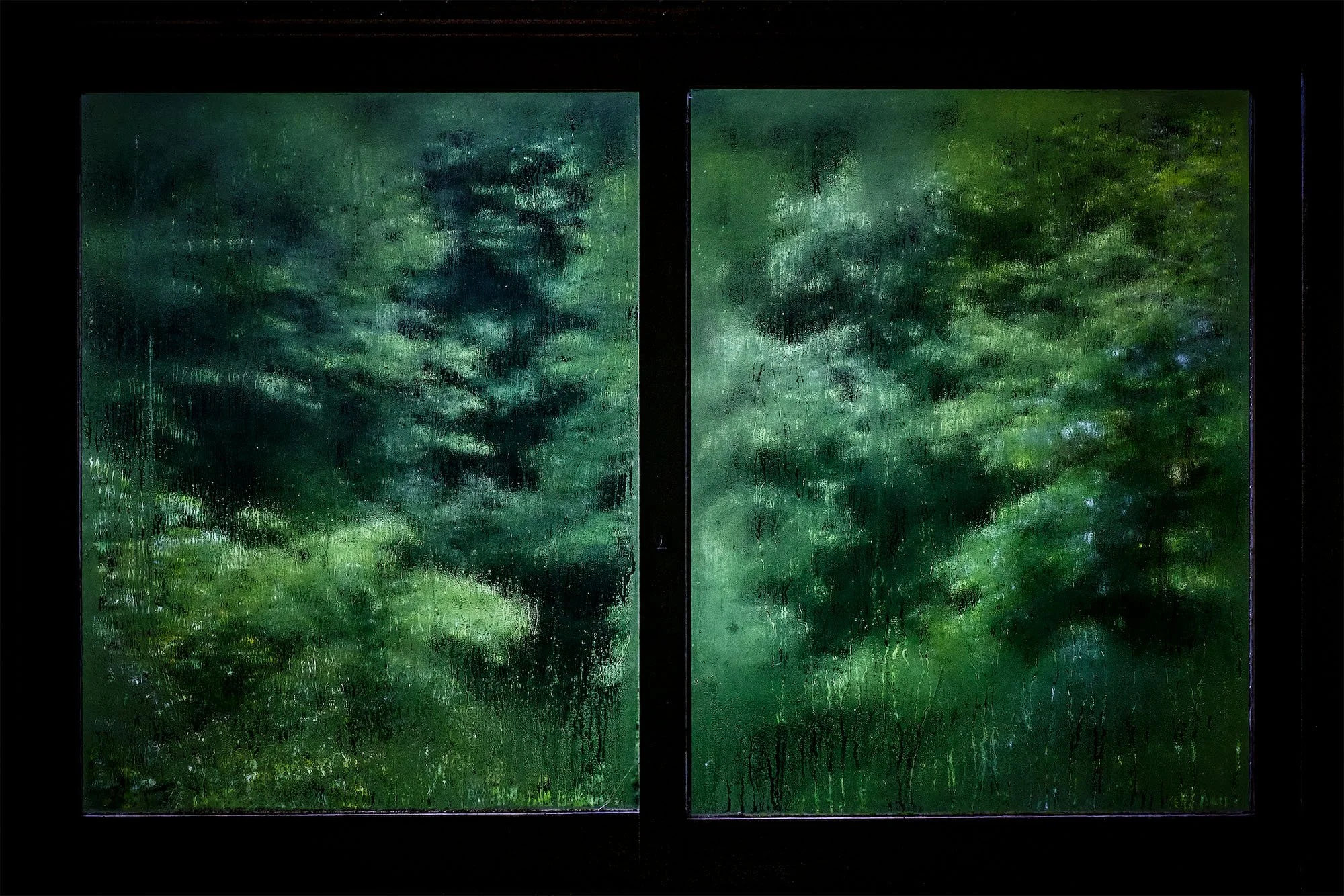
Lost in Kyoto 02 by Yasuhiro Ogawa
Thomas Berlin: When you take photographs, do you begin more from a mood, a thought, or a concrete subject?
Yasuhiro Ogawa: When I start taking photos, I try to clear my mind as much as possible. I know from experience that if I start thinking about something, I get fixated on it and my perspective narrows. Of course, when I’m working on a book or something similar, I have to take photos that fit the theme, so I can’t just clear my mind and snap away. That’s why it’s a bit difficult for me to take photos toward the end of a project.
Thomas Berlin: You mentioned that you try to clear your mind before taking photographs. Is this state of mental clarity something you consciously practise? Some people try meditation or other forms of concentration to reach such a state — is that also true for you? And would you say that this inner clarity is a prerequisite for the intuitive way you work?
Yasuhiro Ogawa: I’ve never actually meditated before, though I’m very interested in it. Instead of meditating, I just keep walking. When I’m simply walking along, there are times when my consciousness seems to drift away from me. In my experience, that’s when I end up taking photos I find interesting.
Thomas Berlin: Is there a particular emotion you wish to express or evoke through your images? Or is it more important to you that viewers develop their own thoughts and feelings?
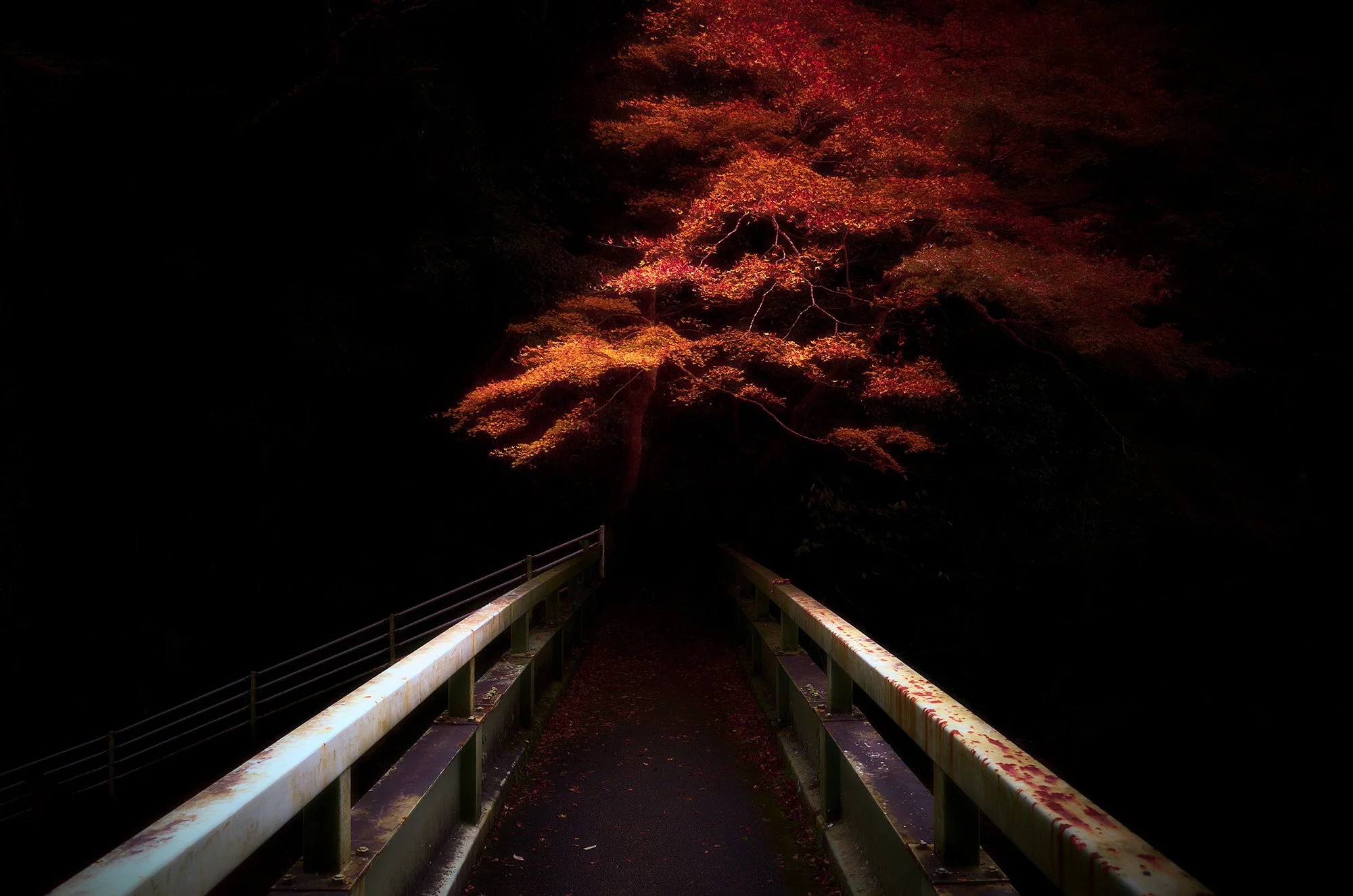
Lost in Kyoto 01 by Yasuhiro Ogawa
Yasuhiro Ogawa: It’s the latter. I’d prefer to leave it up to the viewers to form their own impressions of the photos.
Thomas Berlin: What role do silence, shadow, darkness, and suggestion play in your work? This is something I often sense in many of your images, especially in relation to darkness and shadow.
Yasuhiro Ogawa: I try not to overthink things when I’m taking photos, so even I can’t explain why there are so many shadows in my pictures. I suppose I just like them. If I had to explain it, I’d say that shadows aren’t “nothingness”; rather, they represent “something” lurking beneath the surface. I also think it’s fair to say that revering shadows is a tradition rooted in ancient Japanese art.
Thomas Berlin: What matters more to you in a photograph: that it moves the viewer emotionally, or that it is simply perceived as beautiful? Or do you see no contradiction between the two?
Yasuhiro Ogawa: Some people may find my photographs emotionally resonant. Others may simply see beauty in them. I don’t like to impose my own interpretations on the viewer. So I hope that viewers will feel free to interpret them in their own way.
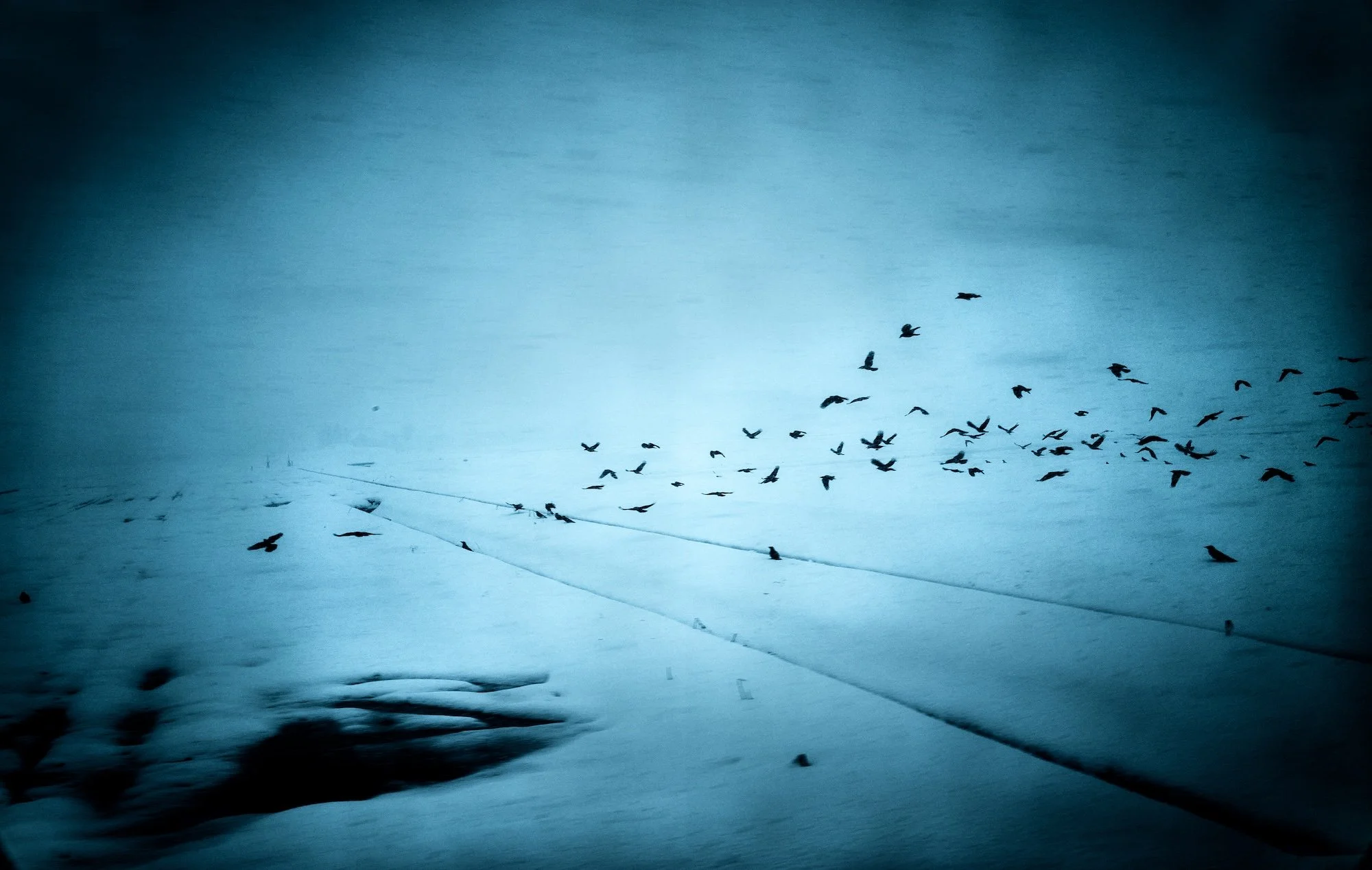
Into the Silence 01 by Yasuhiro Ogawa
Thomas Berlin: You probably take far more photographs than you ultimately decide to show. When are you satisfied with an image? How do you recognize that a photograph is strong enough to present publicly as part of your work?
Yasuhiro Ogawa: That’s a good question. I think whether or not I decide to publish a photo depends on whether it strikes a chord with me when I look at it. However, even I find it hard to explain exactly what it is that strikes a chord. Right now, I’m sorting through some portraits of a woman I took the other day. As I look at a row of photos with similar compositions on my monitor, it’s often a subtle tilt of a woman’s neck or the direction of her gaze that moves me. Still, I don’t think about what might strike a chord with me while I’m actually taking the photos.
Thomas Berlin: I can certainly understand the idea of assessing and selecting an image intuitively. After all, if such decisions could be made with complete analytical certainty, they might no longer belong to the realm of art. I wonder to what extent this intuitive approach is rooted in Japanese art more broadly. From the outside, Japan is sometimes perceived as a culture that places great value on form, structure, and discipline. I would be very interested to hear how you see the relationship between intuition and structure in this context.
Yasuhiro Ogawa: To be honest, I don’t know much about Japanese art. I’ve never studied it, nor did I attend art school, so I can’t discuss it in a scholarly manner. All I can say is that Japanese art values ambiguity (I don’t think Japanese art places much emphasis on structure). Ambiguity is also important in my photography. When I point my camera at a scene guided by intuition, I don’t press the shutter based on a yes-or-no choice; rather, I use ambiguity as my criterion. I’m sorry—my explanation is probably hard to follow. But it’s difficult to explain my intuition in words.
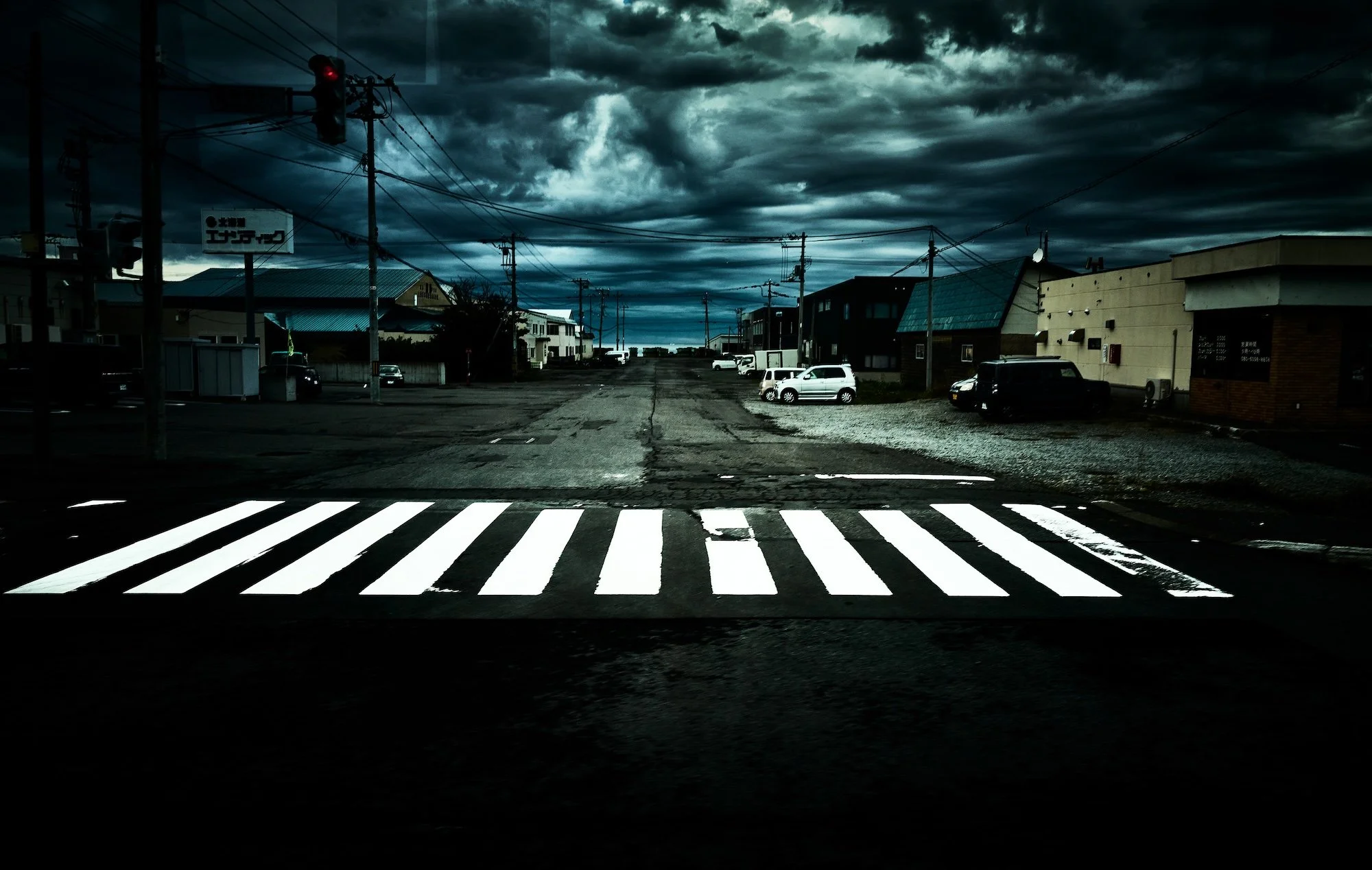
Into the Silence 04 Yasuhiro Ogawa
Thomas Berlin: Do you think your photographs are read differently in Japan than they are in Europe?
Yasuhiro Ogawa: Yes, I always feel that way. In Europe, photographs are often judged based on visual elements like composition. In Japan, however, they are evaluated based on their narrative quality. In other words, photographs that can be explained through language are highly valued. I’m not sure which approach is better, but I find the European way of evaluating photography more appealing.
Thomas Berlin: You said that, in Japan, the narrative quality of a photograph is often highly valued, whereas in Europe, the visual aspects, such as composition, tend to receive more attention. At the same time, if I understand you correctly, you prefer to leave interpretation open to the viewer. Do you see your own work as a way of combining these two approaches — creating a strong visual form while also leaving room for viewers’ own thoughts, associations and interpretations?
Yasuhiro Ogawa: I don’t believe that creating a strong visual form hinders the viewer’s interpretation of a photograph. I want to leave the interpretation of a photograph entirely up to the viewer.
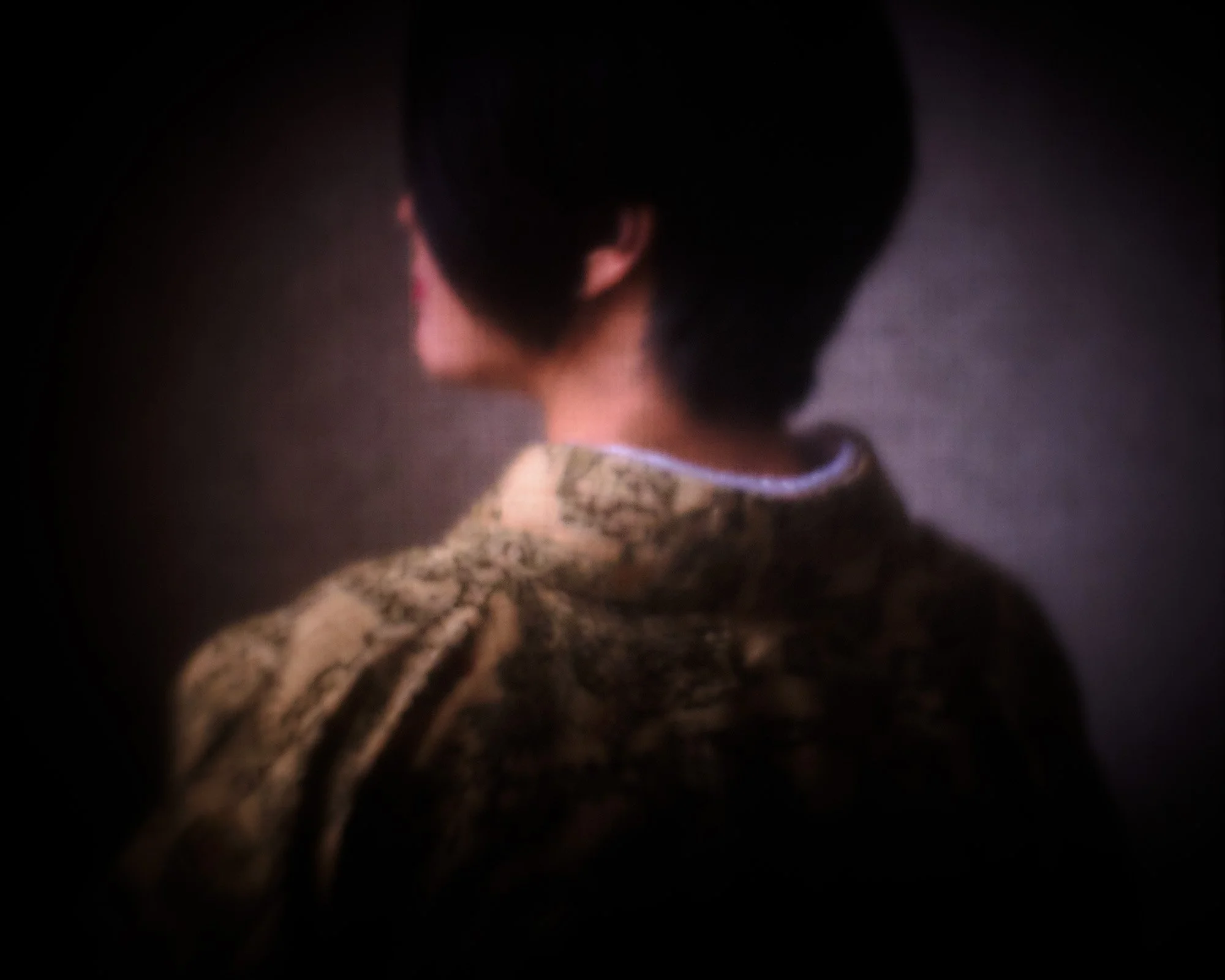
Lost in Kyoto 03 by Yasuhiro Ogawa
Thomas Berlin: Do your works begin from the outset as projects or specifically as books, or do you photograph intuitively at first and only later bring related images together?
Yasuhiro Ogawa: It’s the latter. When I start a project, I just dive right in without overthinking it. After three years of shooting photos that way, a vague shape begins to emerge within the project. To be honest, that’s the hardest part of completing a project. That’s because I have to constantly keep the project in mind while I’m taking photos. Sometimes, those thoughts get in the way of my shooting. But unless I overcome that, the project can’t be completed. It’s difficult.
Thomas Berlin: How does a new project begin for you: for example, with a place, a journey, a memory, a text, an inner vision, or only through the act of photographing itself?
Yasuhiro Ogawa: As I mentioned earlier, when I start a project, I begin by clearing my mind and just taking photos. Sometimes, after shooting for several years, those images evolve into something akin to a philosophy; other times, since I tend to shoot in similar locations, those places themselves become the theme. I don’t decide on anything in advance. I feel that if I keep shooting, eventually something will guide me somewhere.
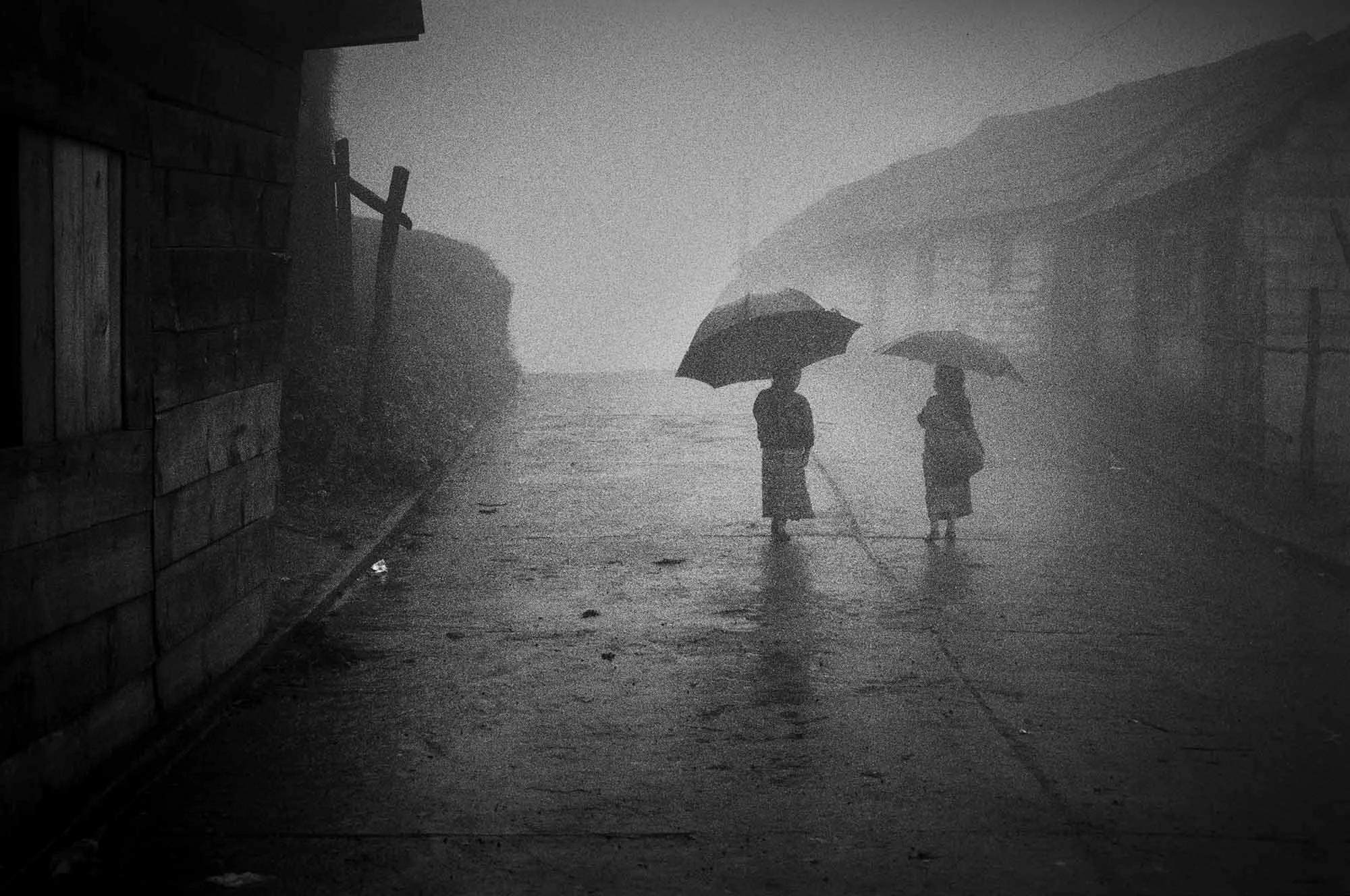
The Dreaming 01 by Yasuhiro Ogawa
Thomas Berlin: As you know, I own your books Lost in Kyoto and Into the Silence, and photobooks are my favourite way of engaging with photography. Could you tell me a little about the Japanese photobook scene and why photobooks are so important in Japan?
Yasuhiro Ogawa: Thank you for having my books. As for the Japanese photobook scene, I’m afraid I don’t know much about it. Also, I don’t think photobooks hold a particularly significant cultural position in Japan today (though they certainly did in the ’70s and ’80s). Every time I come to Europe, I get the sense that the photobook market here is much more vibrant than it is in Japan.
Thomas Berlin: Following these fascinating insights, I would be very interested to hear how you first came to photography.
Yasuhiro Ogawa: It all started when I came across the work of Sebastião Salgado at the age of 23. I thought it would be wonderful if I could keep creating work while traveling, just like him.
Thomas Berlin: Sebastião Salgado’s work has a strong documentary and social dimension. Your own work, by contrast, often feels very poetic to me. How do you see the relationship between documentary observation and poetic transformation in your photography?
Yasuhiro Ogawa: I became interested in Salgado’s work because I was deeply moved by his early collection, “Other Americas.” As you know, he traveled all over South America to shoot this series. I find that collection to be very poetic. As for his later work—though I do like the poetic photographs found in “Sahel” and other collections—to be honest, I’m not particularly fond of it.
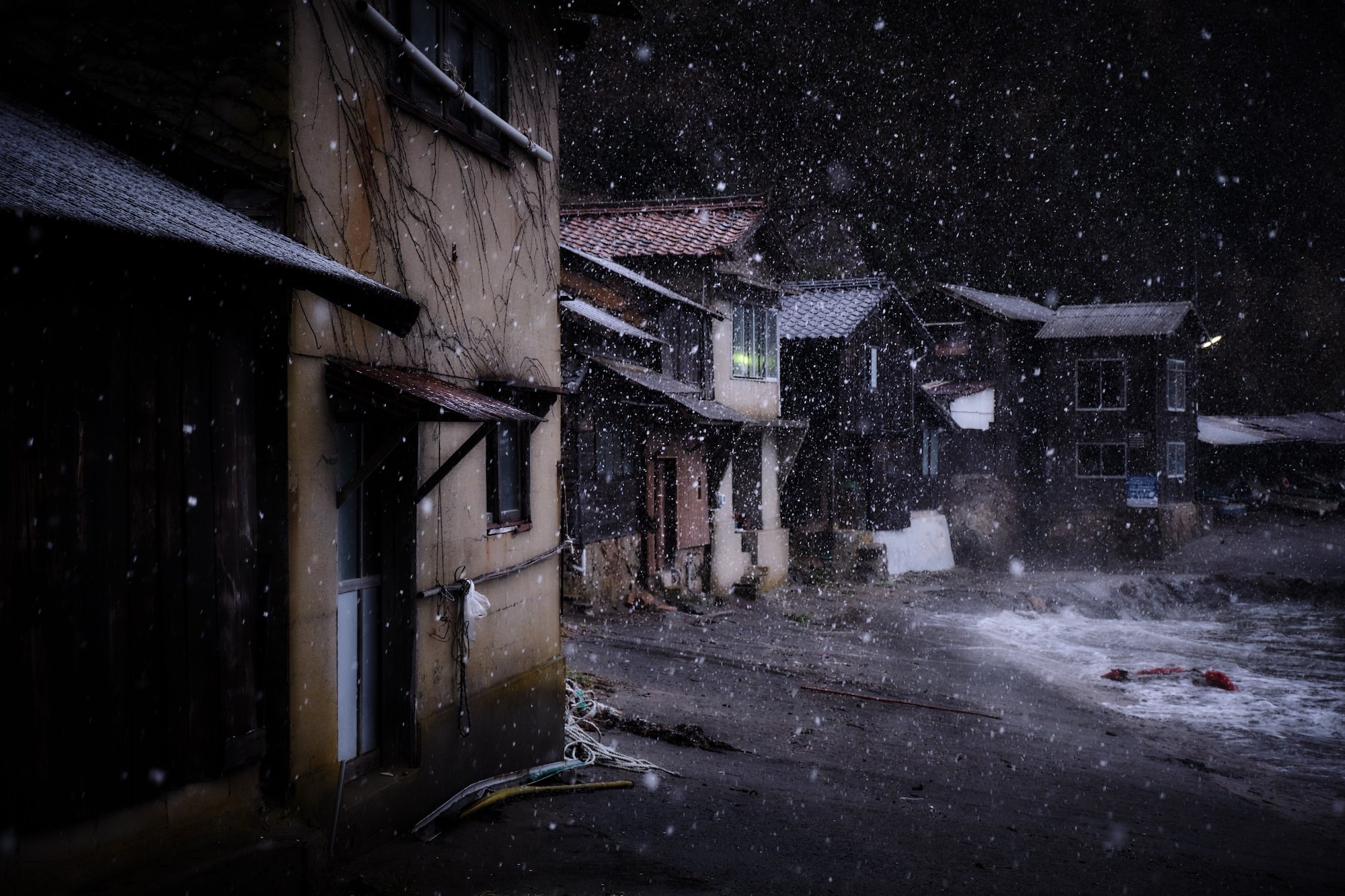
Into the Silence 02 Yasuhiro Ogawa
Thomas Berlin: What do you enjoy doing in your private life when you are not photographing or working on your art? I rather like the metaphor of adding a tiny pinch of a mysterious spice. Maybe that’s what keeps photography fresh – making small changes from time to time?
Yasuhiro Ogawa: Every now and then, on a whim, I switch up my camera or lens. I also sometimes shoot with a deliberately slow shutter speed, and when traveling by train, I’ll intentionally sit by a dirty window and use the grime as a makeshift filter. Well, I’m trying out all sorts of things.
Thomas Berlin: Thank you very much for this inspiring conversation. I have greatly enjoyed it. Is there anything else you would like to add in closing?
Yasuhiro Ogawa: When I first started taking photos, what struck me as most interesting was that I often couldn’t remember the moments when I’d taken photos I actually found interesting. Conversely, there were times when I’d press the shutter button multiple times, convinced that the shot would turn out great, only to find the resulting photo utterly boring when I looked at it later. I’ve come to believe that interesting photos are the result of the photographer’s unconscious movements. That’s a belief that hasn’t changed even now, more than 30 years after I first started taking photos.
Thank you very much for giving me this opportunity to be interviewed.
In Berlin, there is an exhibition by Yasuhiro Ogawa at the Galerie Buchkunst Berlin, running until the end of May 2026.
I would like to take this opportunity to thank Ana Druga and Thomas Gust from the gallery for their help in the run-up to the interview, including providing useful background information.
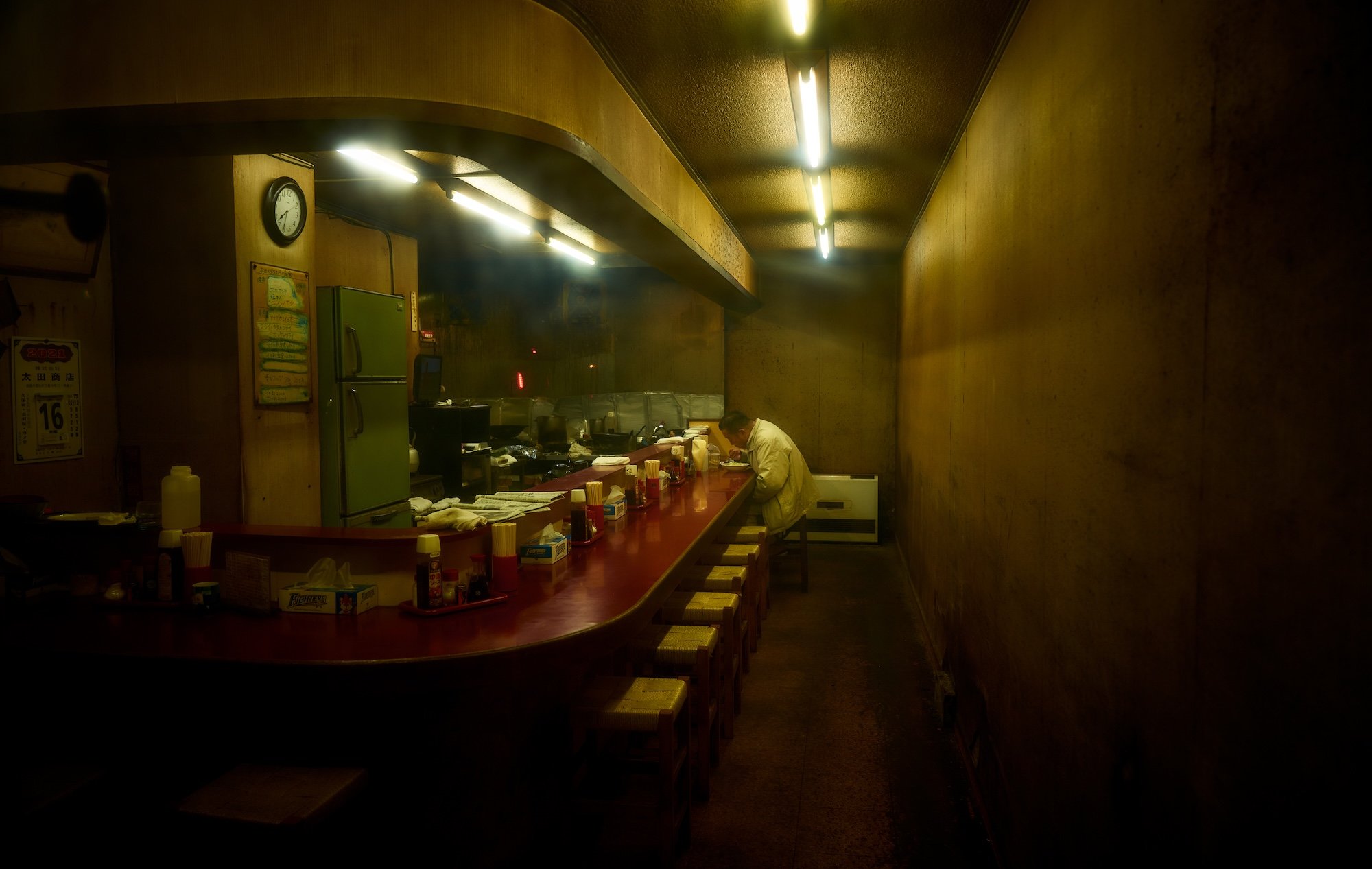
Into the Silence 03 Yasuhiro Ogawa